How to Start Exercising (what you need to do before you even work out)
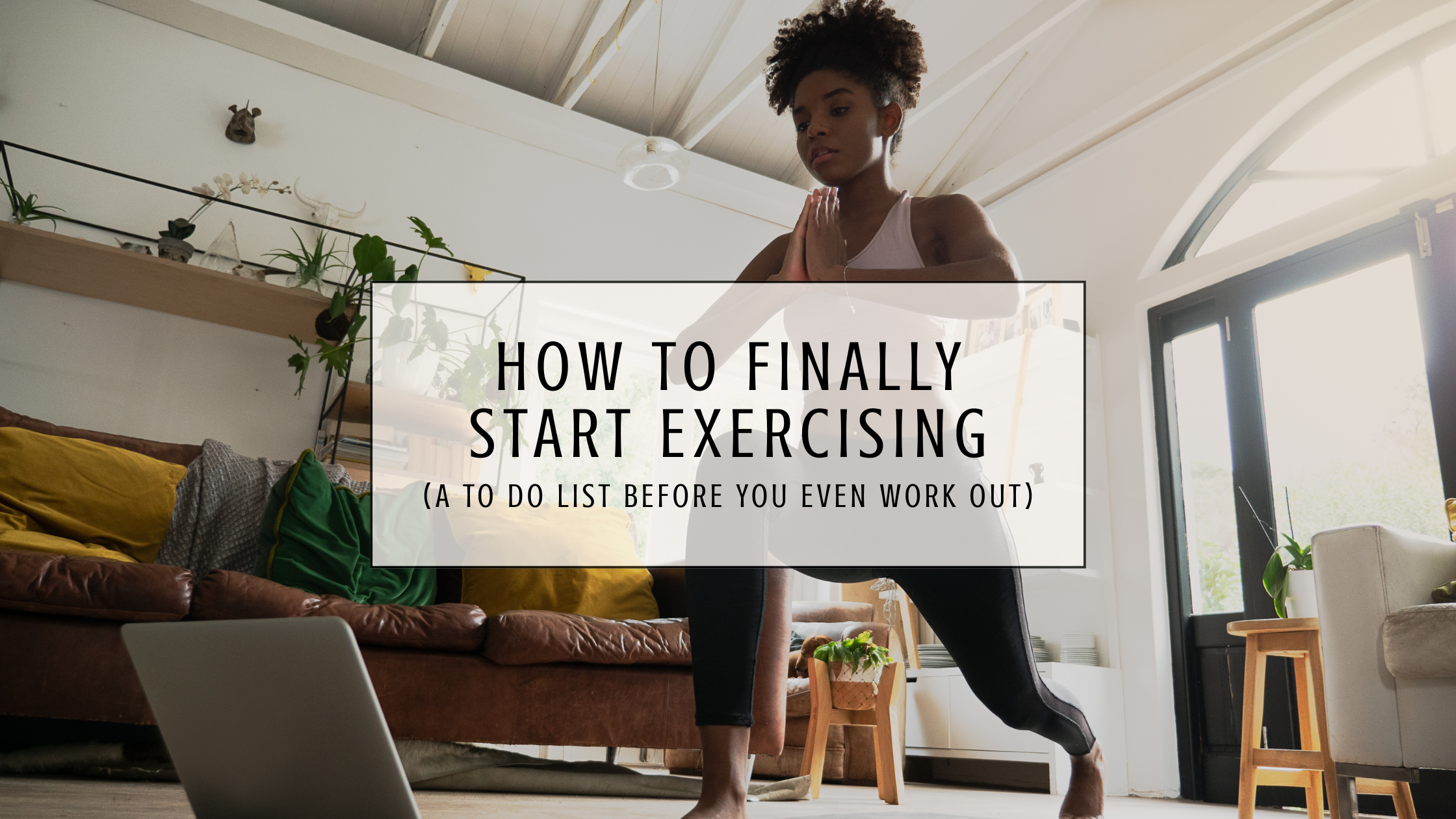
Most people think the hardest part of exercise is the workout itself. But that’s not usually where it falls apart, usually that happens before you even get to the point of beginning.
It happens in that moment when you’re deciding whether to go. When your brain starts negotiating. When everything suddenly feels like more difficult than you want.
So instead of focusing on “how do I stay consistent with exercise,” it helps to start earlier. How do I make starting easier? What are some barriers to getting started that I can take care of before hand?
Get Clear on What You Might Actually Enjoy
First things first, before you start any routine, you need to know exactly what you plan to do.
For full enjoyment I always recommend asking yourself: What feels interesting or exciting to you? What feels doable and realistic for your life right now?
Let go of this idea of what you “should” do: what’s trending, what you think would give you the fastest results, what worked for someone else. This isn’t setting you up for joy and fulfillment. Let go of the outcome you want and just focus on how you could happily start moving.
Walking, stretching, lifting weights, yoga, pilates, barre, boxing, biking, short home workouts, online classes, apps with intro programs, being outside, being at home, exploring, being alone, being guided, music, silence. Think about what you might like, give it a try, and either continue or try something else from there.
You’re not locking anything in forever. You’re just gathering information about what doesn’t feel like resistance before it even starts. Because if you hate how it feels before you begin, your brain is already going to be working against you.
Remove Decisions Before They Show Up
One of the biggest reasons people don’t follow through is decision fatigue in the moment.
So instead of deciding everything in that critical moment of action, decide earlier. Know in advance exactly what your workout will be.
Lay your clothes out the night before so you don’t have to think about what you will wear. Have your water bottle filled and your headphones charged so you can just grab and go. If you’re going to the gym, pack your bag in advance and put it somewhere visible so you don’t have to think about it later.
The goal is to reduce the number of decisions your future self has to make. This makes action taking easier so it becomes automatic sooner.
Make the Space Feel Easy to Enter
If you’re working out at home, your environment matters. You don’t need a perfect setup. You definately do not need to go out and buy workout equipment, body weight is all you need to jsut start. But if the space is cluttered, dirty, or there are steps you need to take to prepare the space before you start working out, thats resistance.
Clear a small area. Roll out a mat. Move anything that makes it feel cluttered or distracting in advance. It doesn’t have to be a “fitness only space.” But the space does need to feel easy to begin in.
Have a Backup Plan for Resistance
If going to the gym feels like too much some days, have a home workout ready so there is nothing stopping you from getting some form of movement in. Maybe its a short bodyweight workout at home, a walk, a stretch, some recovery yoga. Something that keeps the habit intact, even when the original plan doesn’t happen.
The goal isn’t perfection, the goal is consistency. This is how you stop the all or nothing cycle from taking over.
Expect Your Brain to Resist You
This part is important. Even when you do everything right, your brain will still say: I’ll start tomorrow, I’m too tired, I don’t feel like it.
That doesn’t mean something is wrong. It just means your brain prefers efficiency and comfort and that happens to everyone. So instead of arguing with it, plan for it.
Make starting so simple that you are able to do at least something small
Sometimes that just means putting on your workout clothes and telling yourself you only have to sit on your yoga mat for five minutes.
Check out my other posts on “halfway habits” and “non-negotiable habits” that can help when your brain starts to fight back.
This Is the Real Work
If staying consistent with exercise feels difficult for you, don’t blame exercise.
Shift your focus to all the moments before it. The clarity, the preparation, the environment, the reduction of decisions, the gentle planning around resistance, the mindset work involved.
When those pieces are in place, exercise becomes something you simply step into. Just another part of your routine like brushing your teeth and going to sleep.
If You Want to Go Deeper
This is exactly the kind of mindset shifts we work on inside Mindset Medicine.
Not how to push harder. But how to make following through feel easier by changing the way your mind relates to starting, effort, and resistance.